Formal Pathway
Our goal is for every child to leave the Formal Pathway as confident, capable, and valued individuals with the skills they need to lead happy, independent, and meaningful lives.
Introduction from Formal's Pathway Lead - Lucy Kinnear
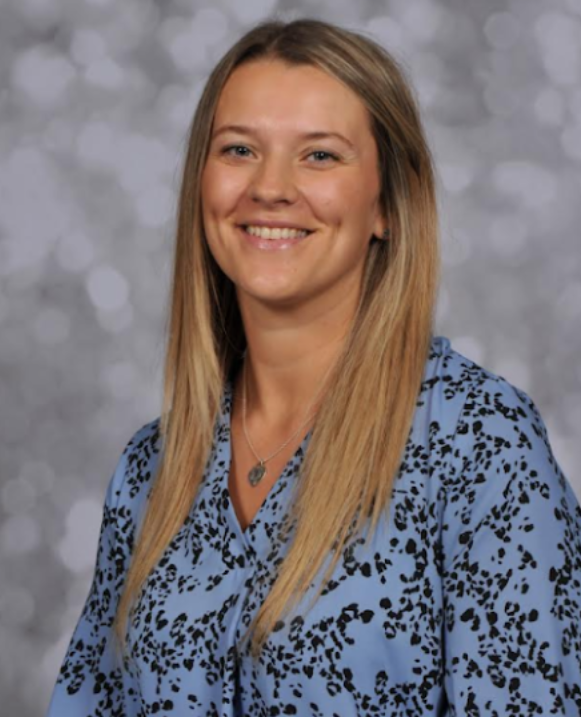
I’m Lucy Palmer, the Formal Pathway Lead at Co-op Brierley. With over five years of experience in SEN schools, I’m passionate about developing a curriculum that truly meets our students’ needs. I believe in engaging, meaningful learning experiences that foster not only knowledge but also joy, curiosity, and growth. Building trusting relationships with students and families is at the heart of our approach, ensuring every student feels supported throughout their learning journey. Together, we create a nurturing, dynamic environment where students can thrive and confidently progress to their next steps.
The Formal Pathway offers a broad and balanced curriculum that combines a rich variety of subject-specific knowledge with essential life skills, supporting students in their development into young adults. Through an engaging, theme-based approach, subjects are presented within real-life contexts, helping students find meaning in their studies while working towards accredited qualifications that support their future progression. EHCP outcomes are integrated into classroom teaching and the wider curriculum, fostering individual growth and achievement.
Show you care - positive relationship building
At Co-op Academy Brierley, positive and trusting relationships with families are at the heart of everything we do in the Formal Pathway. We recognise that families are central to each pupil’s success, and we are committed to working in close partnership to ensure every learner is happy, safe, and thriving. Daily communication via Class Dojo, phone, or face-to-face conversations ensures a consistent connection between home and school, enabling us to respond quickly to needs, celebrate progress, and share the small wins that matter most.
Each learner is supported by their class team and the wider school community, with individual needs carefully understood and catered for. Induction is a personalised process, built around the child and their family, with initial meetings and phased starts tailored to ensure each pupil feels safe and secure from day one. This commitment continues throughout their time with us. We regularly invite families into school for assemblies, family learning sessions and ‘Fabulous Finishes’, celebrating achievements and strengthening the sense of belonging to the Brierley community.
Be yourself always - a curriculum that empowers learners
The Formal Pathway at Co-op Academy Brierley supports learners from Key Stage 1 to Key Stage 4 who are working within the primary curriculum. We celebrate every learner’s individuality and believe that every child has the right to access a rich, engaging, and appropriately pitched curriculum that reflects their needs, interests, and aspirations. In this pathway, we focus on developing core skills, nurturing each pupil’s unique strengths, and creating personalised learning experiences which empower them to be their best self.
Learners in the Formal Pathway access Literacy, Maths and Foundation subjects, with Physical Literacy and Wellbeing woven into all learning experiences. Pupils follow the National Curriculum at a level appropriate to their development, with daily teaching of Literacy, Phonics or Spelling, and Maths to embed key skills. Foundation subjects are delivered through ‘subject weeks’ across the academic year, allowing immersion in key areas such as Science, History, Geography, Art, and more. These are enhanced with enterprise and careers learning, helping pupils to make meaningful connections between their classroom experiences and the world beyond school.
In the Formal Pathway, we foster communication and confidence, and support pupils to understand and express their thoughts, needs, and identity. We use consistent routines, positive behaviour support and high expectations to help pupils regulate, feel safe and valued, and develop resilience. Our ambition is for all learners to recognise their potential, take pride in their progress, and leave Brierley equipped for the next stage of their life journey.
What does 'Brierley Best Self' look like in Formal?
In the Formal Pathway, we want our learners to:
- Build positive relationships with peers and adults.
- Engage in purposeful, meaningful learning across a broad curriculum.
- Achieve the Brierley Best academically and be equipped with core skills in Literacy and Numeracy.
- Make informed choices and express preferences with increasing confidence.
- Access new environments safely and with support.
- Learn how to regulate their emotions and behaviours using appropriate strategies.
- Be proud of who they are and what they can achieve.
Do what matters most - our ambitious curriculum
Our ambitious curriculum is built around the national curriculum, adapted for learners working at KS1/2 levels within a KS3/4 setting. It is knowledge-rich, skills-based, and sequenced to enable learners to revisit and embed key concepts.
Subject areas include:
- English and Literacy – including Talk for Writing, phonics (Read Write Inc.), and comprehension skills.
- Maths – with a mastery approach using small steps and real-life contexts.
- Science, Humanities, RE – taught through practical investigations, topic-based learning, and local context.
- Art, DT, PE, Music, ICT, and MFL – offering a creative and skills-rich curriculum.
- PSHE and Life Skills – supporting emotional regulation, social interaction, and preparation for adulthood.
Every lesson is scaffolded to support communication, independence, and personal learning goals. Small class sizes and high staff ratios enable bespoke support and ensure each child can access learning successfully.
Communication – Everyone Has a Voice
Communication underpins everything we do. All learners in the Formal Pathway are treated as intentional communicators, and we adopt an assumed competency approach. Within their first term, pupils’ communication needs are assessed using SCERTS and supported by our SALT team.
We use a range of communication systems, including:
- Visual timetables and schedules.
- Objects of Reference and symbols.
- Makaton, PECS, and communication books or AAC devices.
- Intensive Interaction and modelling of spoken language.
Staff embed communication targets into all lessons, ensuring that learners are not only accessing curriculum content but are also growing in confidence and autonomy in expressing themselves.
Independence – Growing Life and Learning Skills
The Formal Pathway places a strong emphasis on functional independence. Through clearly structured routines, visual supports, and a highly consistent environment, pupils learn the skills they need to navigate their day successfully.
We teach independence through:
- Personal care and organisation routines.
- Accessing the Life Skills Kitchen, farm, forest school, and sensory rooms.
- Travel training, community visits, and real-life problem solving.
- Scaffolded use of planners, travel boards, and reward systems.
Pupils are encouraged to take ownership of their learning, behaviour and choices, with adults offering consistent encouragement, structure, and celebration of success.
Personalisation – A Curriculum That Fits the Child
Every pupil in the Formal Pathway has a Pupil Passport, reviewed termly in collaboration with families and professionals. Targets are personalised and tracked using Evidence for Learning, with progress reviewed and celebrated in review meetings and termly reports.
Teaching and learning are designed around:
- Individual EHCP outcomes.
- Learners’ interests and aspirations.
- Preferred learning styles and motivators.
- Real-world application of skills to prepare for the next stage.
Topic themes provide a shared structure, but lessons are adapted to meet the needs and engagement levels of all learners.
Wellbeing – Supporting the Whole Child
Wellbeing is central to all we do. Pupils benefit from predictable routines, nurturing environments, and consistent adult support. Staff focus on mutual regulation, emotional literacy, and helping pupils recognise and communicate their emotions.
Our wellbeing offer includes:
- Daily Sensory Circuits and Movement Breaks.
- Access to Forest School, rebound therapy, and sensory integration.
- High-quality, adult-led PSHE sessions.
- Zones of Regulation and emotion coaching approaches.
- Designated Safe Spaces and sensory regulation tools in every classroom.
Succeed Together - measuring and celebrating progress
We measure and celebrate progress across all areas of development:
- Academic attainment (using Brierley Progression Steps).
- Communication and interaction.
- Personal, social, and emotional development.
- Physical and sensory needs.
- Preparation for Adulthood skills.
Termly progress is monitored and shared with families using Evidence for Learning, and reviewed collaboratively during Annual Reviews, EHCP meetings, and parent/carer consultations. Transition planning begins early, with support for preparing for new stages of learning or moving into post-16 pathways.
Our goal is for every child to leave the Formal Pathway as confident, capable, and valued individuals with the skills they need to lead happy, independent, and meaningful lives.